Memory ecosystem
OEMs and memory manufacturers
- SK hynix
Server memory planning guide
Plan the right DDR5.For your exact server.
Choose your server family to see the published memory limits. Before you order, send us the exact chassis, processors and current modules so we can check the MPN.
- Published server guidance
- Exact MPN checked before order
- 4 UK business-hour response target
Step 01 · Your server
Select your server.
Use the model and generation as a starting point. The final memory configuration is checked against the exact chassis, processors and manufacturer documentation before order.
9 server families available. Can't see yours? Send us the model and we'll check it.
Ready when you are
Select a server to begin.
Type part of the model name, such as "DL380" or "R760". You'll see the published limits, a quantity planner and module specifications. We still need the exact configuration and MPN before you order.
Exact server pages
Skip the picker. Jump straight to a server.
DDR5 field guide / 10
Every memory term, clearly defined.
Plain English explanations for module types, rank, ECC, DPC, downclocking and the population rules used by the compatibility tool.
RDIMM, LRDIMM, UDIMM: what's the difference?
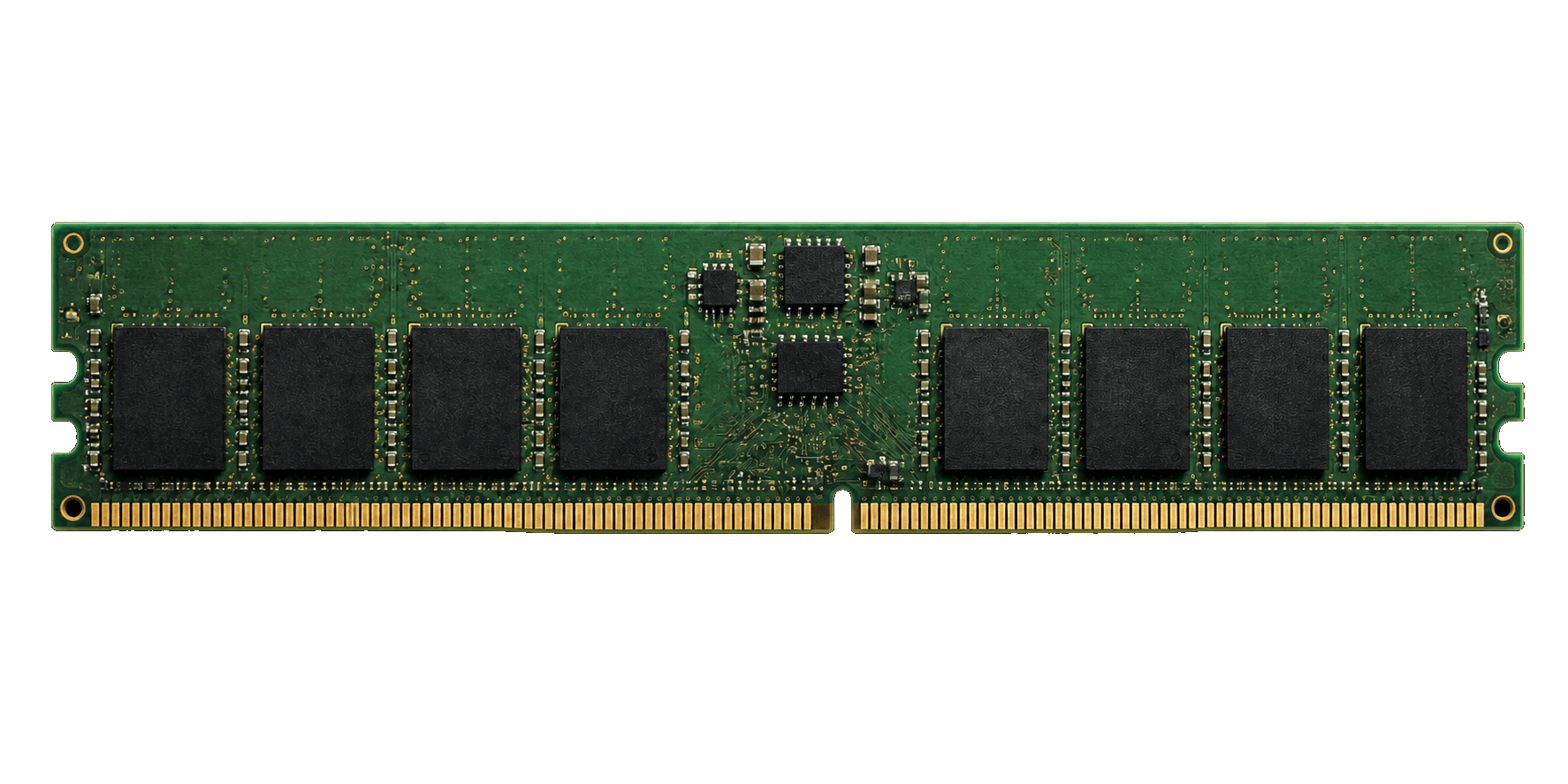
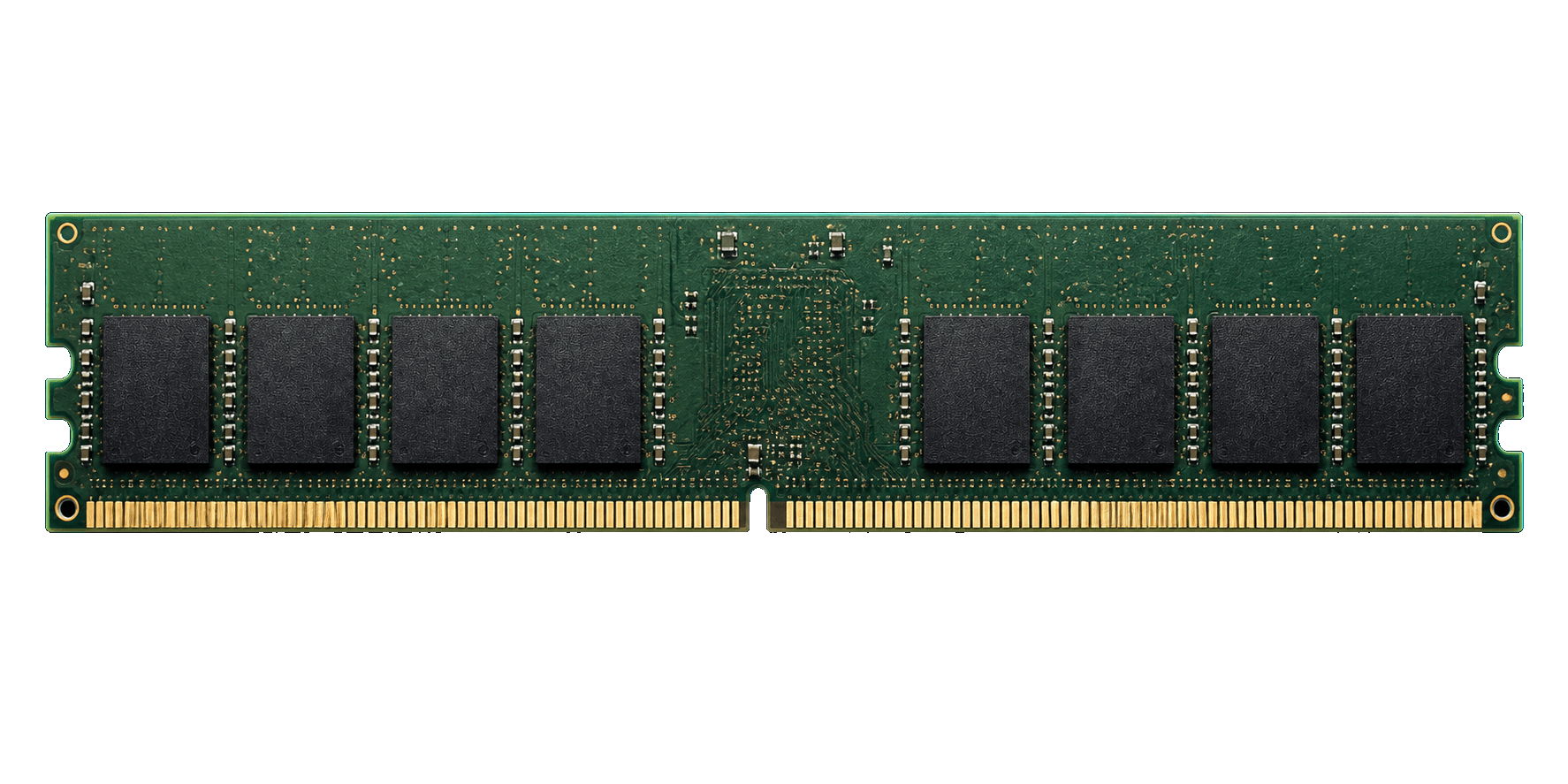
RDIMM is registered memory, the default for server platforms up to 64GB per module. LRDIMM is load-reduced, used above 64GB where the buffered electrical load lets you populate more high-capacity DIMMs at full speed. UDIMM is unbuffered, workstation class, only suitable for server use when explicitly listed as ECC UDIMM and the platform's QVL accepts it.What is 3DS RDIMM?
3D-Stacked RDIMM. Multiple DRAM dies stacked vertically inside a single module, giving very high density per stick (128GB and 256GB). Server class, used in memory-dense AI and database workloads.What is MRDIMM?
Multiplexed Rank DIMM. A new DDR5 generation that doubles memory bandwidth by interleaving two ranks per channel. Currently runs at 8800 MT/s, with 12800 MT/s coming. Requires platform support: Intel Granite Rapids and AMD EPYC 9005 today.What does rank mean (1R, 2R, 4R, 8R)?
Rank is the number of independent sets of memory chips on a module that can be accessed in parallel. 1R is single rank, 2R is dual, 4R is quad, 8R is the very high-capacity 3DS RDIMM tier. Higher rank means more capacity but slightly more strict population rules.What is ECC, and do I need it?
Error-Correcting Code memory detects and corrects single-bit errors on the fly. Server platforms require it. DDR5 also includes on-die ECC for non-ECC UDIMMs, but that is not the same as full ECC for the path between CPU and DIMM. For any server-class workload, order ECC RDIMM or ECC LRDIMM.What is DPC (DIMMs per channel)?
How many memory modules sit on one channel. 1DPC means one module per channel, running at the platform's full rated speed. 2DPC means two, which forces a speed downclock on every DDR5 server platform we've shipped. The tool shows the downclock figure on every module card.Why do mixed kits downclock?
The memory controller picks the slowest common denominator. If one DIMM is rated 4800 MT/s and another 5600, the kit clocks to 4800 to keep the slow module within spec. The fix is one speed across the kit. Same logic applies to ranks and capacities.What is NUMA, and why does symmetric population matter?
NUMA is Non-Uniform Memory Access. Each CPU socket owns its own memory; accesses to the other socket's memory cost extra latency. Asymmetric memory population means one socket has less local memory, forcing workloads on that CPU to constantly remote-fetch. Symmetric population removes the asymmetry.What is a QVL (qualified vendor list)?
A server vendor's qualified vendor list records memory configurations it has tested for a platform. A QVL entry is useful compatibility evidence, but supported operation still depends on the processor, BIOS, module population and exact part revision. We use current manufacturer documentation and check the intended configuration before you order.What voltage does DDR5 server memory run at?
DDR5 JEDEC spec is VDD and VDDQ at 1.1 V, with VPP at 1.8 V. Server modules run JEDEC, not overclocked AMP/XMP profiles. Never mix overclock-profile modules into a server kit; they're rated for workstation use only.
DDR5 compatibility
Send the server model.
We'll map the memory.
Send the exact chassis, processors, firmware, current modules and target capacity. We'll check the MPN, then confirm the current price, availability and ways to buy.